Chicken Feeding & Nutrition: The Complete Guide for Ugandan Farmers
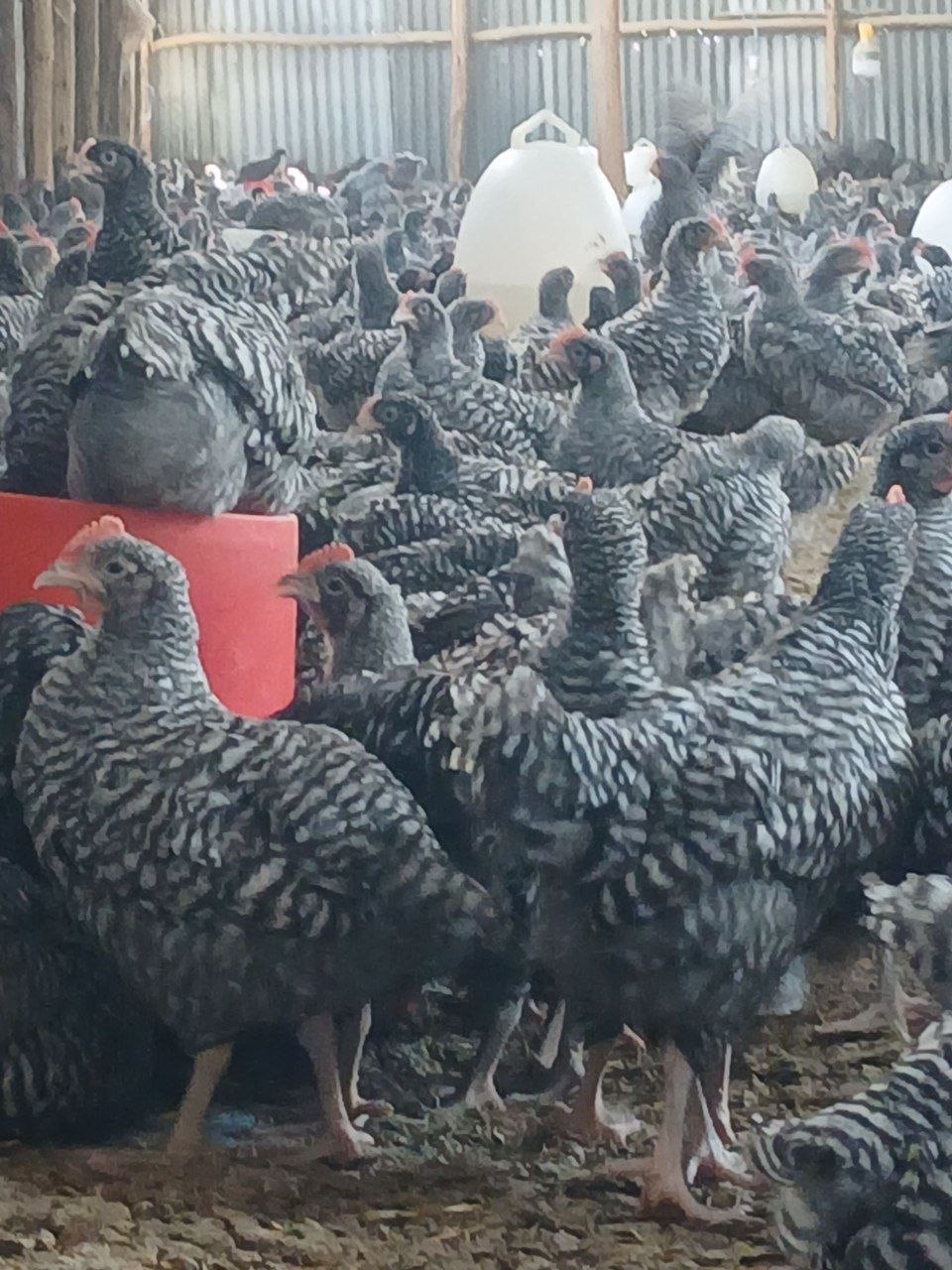
Feed is the single biggest expense in chicken farming — making up 70-80% of your total costs. But it's also the single biggest factor in how many eggs your hens produce, how fast your broilers grow, and whether your birds stay healthy. Get feeding right, and your farm profits. Get it wrong, and even the best chickens will fail.
Table of Contents
Why Nutrition is Your #1 Priority
Many beginner farmers make the mistake of thinking "chickens eat anything." While chickens are opportunistic feeders, what they eat directly determines:
- Egg production: A poorly fed hen lays 2-3 eggs per week. A well-fed hen lays 5-6.
- Egg quality: Thin shells, pale yolks, and small eggs all come from poor nutrition.
- Bird health: Malnourished birds have weak immune systems and get sick easily.
- Growth rate: Broilers need precise nutrition to reach market weight in 6-7 weeks.
- Lifespan: Properly fed layers can produce for 2-3 years. Poorly fed birds burn out in 12 months.
Feed by Life Stage: What, When, and How Much
Chickens need different nutrition at different ages. Feeding layer mash to day-old chicks is like feeding steak to a baby — it won't work and may cause harm.
Chicks (0-6 Weeks): Starter Feed
- Protein requirement: 20-22%
- Feed type: Starter mash or crumbles (crumbles are easier for small beaks)
- Daily amount: Fill feeders and let them eat freely (ad libitum). Chicks need constant access.
- Water: Critical. Use shallow chick drinkers to prevent drowning. Change daily.
- Calcium: Low (about 1%). Too much calcium at this age damages kidneys.
Growers (6-18 Weeks): Grower Feed
- Protein requirement: 16-18%
- Feed type: Grower mash or pellets
- Daily amount: 80-100g per bird per day. Measure it — overfeeding causes obesity.
- Purpose: Supports steady growth without pushing too fast. Overfeeding at this stage causes fat birds that lay poorly later.
Layers (18+ Weeks): Layer Mash
- Protein requirement: 16-18%
- Calcium requirement: 3.5-4% (this is critical for strong eggshells)
- Feed type: Layer mash or pellets (mash is cheaper, pellets reduce waste)
- Daily amount: 110-120g per bird per day. Adjust for weather — birds eat less in extreme heat.
- Supplements: Offer crushed oyster shells or eggshells in a separate container for extra calcium.
Broilers (Meat Chickens): Broiler Feed
- Protein requirement: 20-22% for maximum growth
- Feed type: Broiler starter (week 1-3), broiler finisher (week 4-6)
- Daily amount: Ad libitum (unlimited access). Broilers are bred to eat constantly.
- Timeline: Market weight (2-2.5 kg) reached at 6-7 weeks with proper feeding.
Chicks (0-6 weeks): 20-22% protein, 1% calcium, free feeding
Growers (6-18 weeks): 16-18% protein, 1% calcium, 80-100g/day
Layers (18+ weeks): 16-18% protein, 3.5-4% calcium, 110-120g/day
Broilers (0-7 weeks): 20-22% protein, 1% calcium, free feeding
Types of Feed Available in Uganda
Not all feed is equal. Here's what you'll find in Ugandan agro-input shops and what to look for:
Commercial Mash (Recommended for Beginners)
- Brands: Unga Feeds, Bunyoro Feeds, Kapeeka Agro, local millers
- Form: Loose powder (mash) or compressed pellets
- Pros: Complete nutrition, consistent quality, convenient
- Cons: More expensive than home mixing, some brands use low-quality ingredients
- Price: UGX 1,800-2,500 per kg for layer mash (2026 prices)
Home-Mixed Rations (For Experienced Farmers)
- Ingredients: Maize bran, silver fish (mukene), soybeans, premix vitamins, limestone, bone meal
- Pros: 20-30% cheaper than commercial feed if you have ingredient sources
- Cons: Requires precise formulation. Get the protein ratio wrong and your birds suffer. Not recommended for beginners.
Supplements & Natural Boosters
These additions support health, improve egg quality, and can reduce your reliance on expensive medications:
| Supplement | How to Use | Benefits | Cost |
|---|---|---|---|
| Oyster Shells / Eggshells | Crush and offer in a separate bowl. Let birds eat what they need. | Strong eggshells, prevents soft eggs, calcium source | Free (save your own eggshells) |
| Garlic | 3-5 cloves crushed per liter of water, 2-3x/week | Natural antibiotic, gut health, immune boost | UGX 500-1,000 per week |
| Apple Cider Vinegar | 1-2 tsp per liter of water, 2-3x/week | Gut pH balance, reduces bacteria, improves digestion | UGX 5,000-8,000 per bottle (lasts months) |
| Turmeric + Black Pepper | Mix small amount into feed 1-2x/week | Anti-inflammatory, natural antibiotic | UGX 1,000-2,000 per week |
| Pumpkin Seeds | Feed as a treat, handful per 10 birds, weekly | Natural dewormer, protein source | Seasonal / Low cost |
Kitchen Scraps: What You Can and Cannot Feed
Kitchen scraps can supplement commercial feed and reduce costs by 10-20%. But some common foods are toxic to chickens.
✅ Safe Scraps (In Moderation)
- Vegetables: Cabbage, spinach, sukuma wiki, carrot tops, pumpkin, cucumber peels, sweet potato leaves
- Grains: Rice, leftover ugali, pasta, bread (small amounts), cooked beans
- Fruits: Banana peels, watermelon rinds, mango peels (not too much — high sugar)
- Protein: Leftover fish, meat scraps, termites, grasshoppers (excellent protein!)
- Dairy: Small amounts of yogurt or sour milk (good for gut bacteria)
❌ NEVER Feed These
- Avocado: All parts (fruit, skin, pit) are toxic. Can cause heart failure and death within hours.
- Chocolate / Caffeine: Contains theobromine, toxic to birds.
- Onions / Garlic (in large amounts): Small amounts of garlic in water are fine. Large amounts of onions destroy red blood cells.
- Raw Beans: Contains phytohaemagglutinin — toxic unless thoroughly cooked.
- Salty / Processed Foods: Chips, crisps, heavily salted leftovers — causes salt poisoning and kidney damage.
- Moldy Food: Mold produces aflatoxins that kill birds. Never feed anything you wouldn't eat yourself.
- Citrus Peels: Can cause digestive issues in large quantities.
Feed Costs in Uganda (2026 Estimates)
Feed is your biggest cost. Here's what to budget based on current market prices:
| Feed Type | Price per kg (UGX) | Daily per Bird | Monthly per 10 Birds (UGX) |
|---|---|---|---|
| Layer Mash (commercial) | 1,800 - 2,500 | 120g | 65,000 - 90,000 |
| Broiler Starter | 2,000 - 2,800 | Ad libitum (~150g) | 90,000 - 126,000 (for 6 weeks) |
| Chick Starter | 2,200 - 3,000 | Ad libitum (~40g) | 26,000 - 36,000 (for 6 weeks) |
| Grower Mash | 1,600 - 2,200 | 90g | 43,000 - 60,000 |
| Maize Bran (supplement) | 800 - 1,200 | Mix 20% with mash | Reduces feed cost by 15-20% |
Quick Feed Calculator by Flock Size
Use this to plan your monthly feed budget:
| Flock Size (Layers) | Daily Feed Needed | Monthly Feed Needed | Monthly Cost (UGX) |
|---|---|---|---|
| 5 hens | 600g (0.6 kg) | 18 kg | 32,000 - 45,000 |
| 10 hens | 1.2 kg | 36 kg | 65,000 - 90,000 |
| 20 hens | 2.4 kg | 72 kg | 130,000 - 180,000 |
| 50 hens | 6 kg | 180 kg | 320,000 - 450,000 |
Feed Storage Rules: Don't Let Good Feed Go Bad
Bad storage ruins expensive feed. Moldy feed is not just wasted money — it can kill your entire flock. Follow these rules:
- Dry: Store in a waterproof container or room. Humidity causes mold in 48 hours during rainy season.
- Sealed: Use airtight containers or heavy-duty bags. Oxygen degrades vitamins and fats.
- Elevated: Keep bags off the floor on pallets or wood. Floor moisture rises into feed.
- Cool: Store in a shaded, ventilated area. Heat destroys vitamins and causes rancidity.
- First in, first out: Use older feed before opening new bags. Mark purchase dates with a marker.
- Check before feeding: If feed smells musty, has visible mold, or clumps together, throw it away. Never risk it.
Ready to Feed Your Flock Right?
Need quality feed recommendations for your area? Or want to talk through a feeding plan for your flock size? Get in touch.
Contact Us Vaccination Guide